- Published
- Author
- IBS Agro Trading Limited
- Category
- Product Updates
Packaging is rarely an afterthought for a serious buyer. A look at the pack formats, materials and labelling decisions that get settled before an order is confirmed.
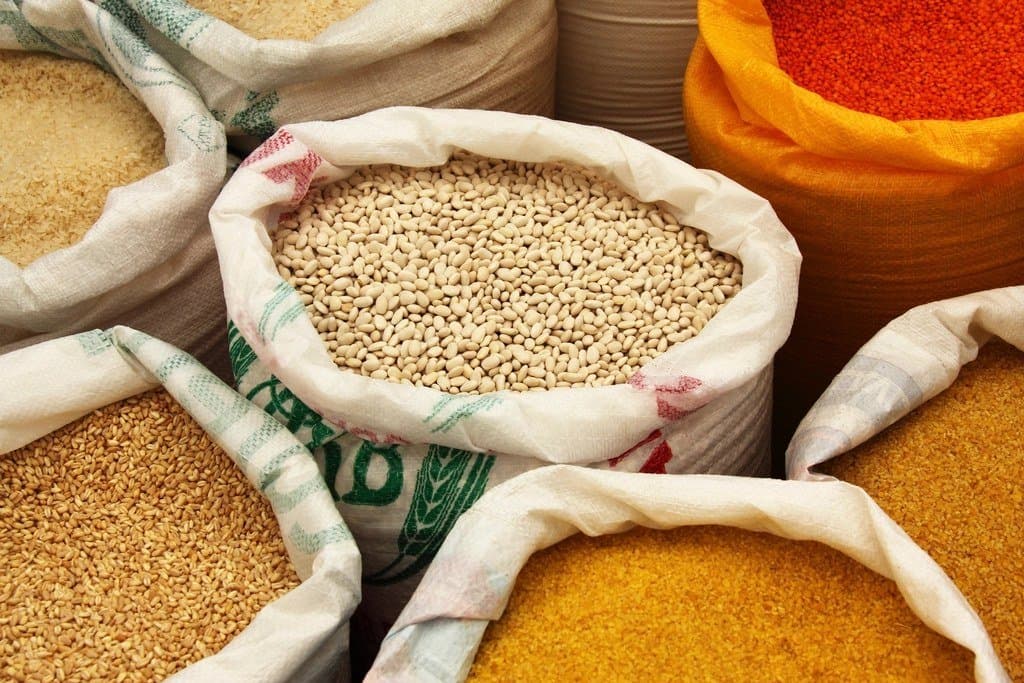
Two buyers can order the same commodity at the same grade and still need entirely different packaging. A supermarket chain wants a shelf-ready retail pack that survives handling and looks right next to competing brands. A wholesaler wants a bulk sack that stacks cleanly and does not fail in transit. An institutional buyer often wants something in between, in a size that matches their kitchen or distribution routine.
The first decision is pack size. Our packaging capability runs from small retail packs through to bulk sacks, and the sizes in between are chosen to match how the product will actually be sold or consumed at destination. It is worth telling us at enquiry stage who the end user is, because that usually settles the size question faster than a list of options does.
The second decision is material. Woven polypropylene is the workhorse for transport and storage. Laminated constructions add moisture protection where the journey is long or humid. Food-grade films are used where the product is in direct contact with the pack and needs to present well on a shelf. Each has different cost, durability and print characteristics, and the right choice depends on the route and the market rather than on preference alone.
Private labelling is the third decision. Buyers who sell under their own brand can supply artwork to be printed on the packaging, subject to the technical constraints of the material and the print process. Artwork needs to be provided in a usable format with adequate bleed and resolution, and it needs to leave room for the mandatory information that the destination market requires.
That last point is the one most often underestimated. Labelling rules differ by country and by product: language requirements, net weight declarations, origin statements, batch identification, packing or best-before dating and importer details are all commonly regulated. Responsibility for confirming the destination market's requirements is something we agree explicitly with the buyer, in writing, before printing begins.
Lead times for private-label orders are longer than for standard packaging because artwork approval and printing sit ahead of packing in the schedule. Building that into the delivery plan avoids disappointment later.
Pack formats, materials, labelling responsibilities, minimum quantities and lead times are all confirmed at quotation stage for the specific order. Share your product, market and intended pack format with us and we will tell you what is workable.