Call+255 772 085 785Emailinfo@ibsagro.co.tzNow sourcing the 2026/27 harvest
Mon–Fri 08:00–17:00 · Sat 08:00–13:00 EAT
Request a Quote
Switch to Kiswahili
Our approach

Why this matters to a trading business

Agricultural trading depends on things that are easy to erode and slow to rebuild: soil that keeps producing, farmers who stay in business, workers who are safe, and buyers who can rely on what they are sent. Our approach to sustainability is built around protecting those things, because the company has no business without them.

The commitments below describe how we work today and where we intend to improve. They are deliberately written as practices rather than as achievements: we would rather publish what we do and be held to it than publish figures we cannot yet evidence.

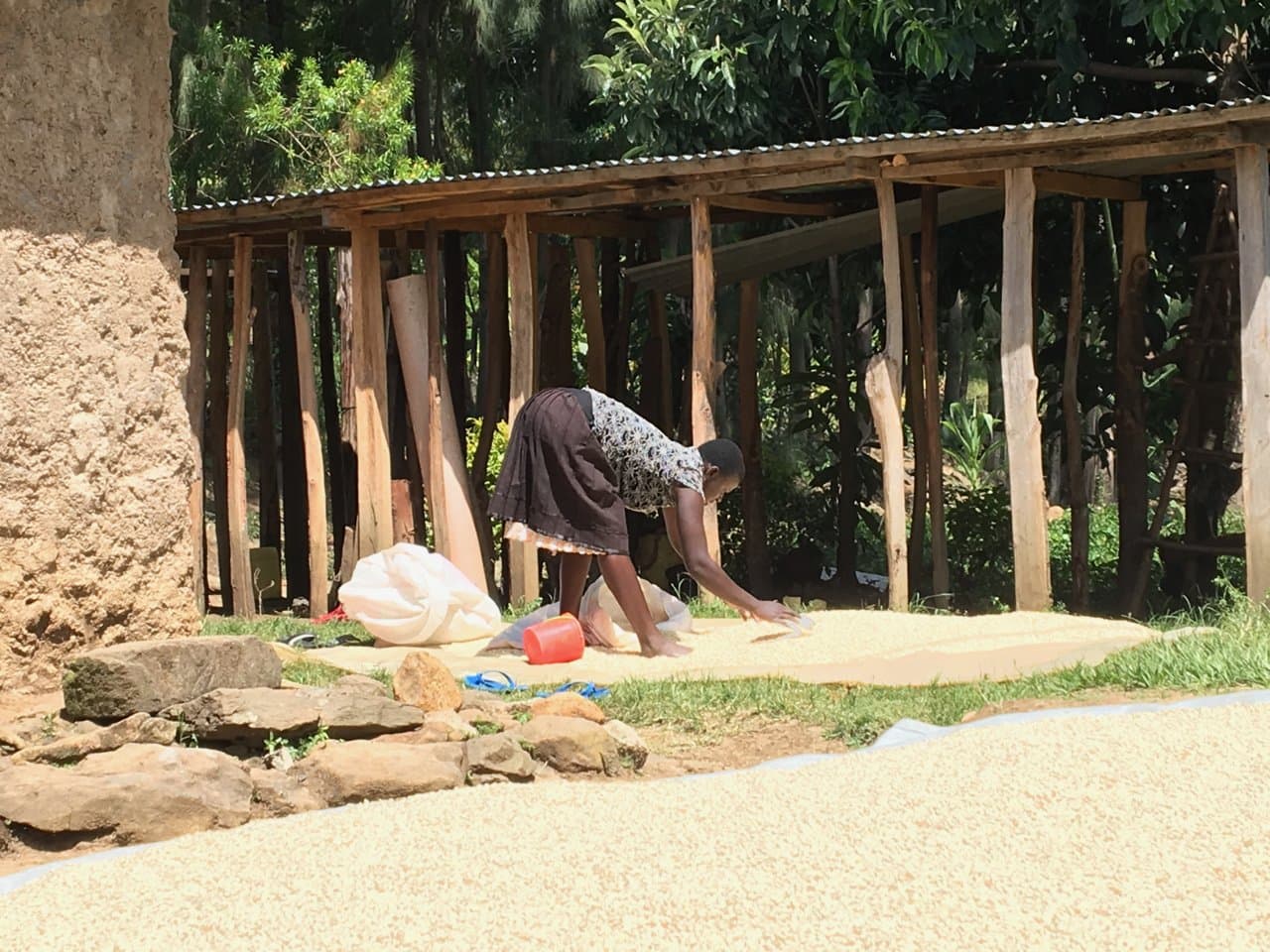
A smallholder farmer spreading harvested maize out to dry in the sun after threshing
Our commitments

Ten sustainability pillars

Each pillar sets out what it covers and the specific practices behind it. Where a commitment is not yet measured, it is written as a practice rather than dressed up as a result.

  • Pillar 1: Responsible agricultural sourcing

    Where a crop comes from, and how it was grown and handled, determines both its quality and its cost to the people who produced it. We buy through approved suppliers whose identity and location are known to us, rather than through anonymous intermediaries, so that responsibility for a consignment can always be traced to a real farm, group or trader.

    In practice

    • Source through suppliers who have been assessed and recorded on an approved register
    • Know the collection point and the producing area behind each lot we buy
    • Decline product where the source cannot be established or the handling was unsafe
    • Expect suppliers to meet the same handling and hygiene standards we hold ourselves to
    • Keep sourcing records that allow a shipped consignment to be traced back to origin
  • Pillar 2: Farmer empowerment

    Smallholder farmers rarely lose value because their crop is poor; they lose it because they cannot store it safely, cannot grade it consistently, or cannot see what buyers actually pay for. Working directly with producers lets us close some of that gap by sharing what we know about specification, moisture and handling.

    In practice

    • Explain the specification we buy to, so producers know exactly what is being assessed
    • Share practical guidance on drying, moisture control, cleaning and safe storage
    • Give feedback on why a delivery was graded as it was, rather than only quoting a price
    • Work with farmer groups and cooperatives as well as individual producers
    • Aggregate smaller volumes so that producers can reach buyers they could not supply alone
  • Pillar 3: Fair supplier relationships

    A supply base only stays reliable if it is worth supplying. We treat the commercial relationship with farmers and traders as something to be maintained across seasons, not renegotiated to the last shilling on every delivery.

    In practice

    • Agree terms, grade basis and deductions before a delivery is made, not after it
    • Weigh, grade and record deliveries transparently, in the supplier's presence where possible
    • Pay on the terms agreed and communicate promptly if anything delays a payment
    • Give suppliers a clear reason for any rejection or downgrade, in writing where requested
    • Build repeat relationships with reliable suppliers rather than switching on price alone
  • Pillar 4: Environmental protection

    Trading and processing agricultural commodities generates dust, husk, screenings, packaging waste and, where treatment is needed, chemical residues. Our responsibility is to keep those out of the surrounding environment and to keep our own operations from adding to the pressure on land and water around them.

    In practice

    • Handle, store and dispose of processing residues and packaging waste responsibly
    • Use licensed operators and permitted products for any pest treatment or fumigation
    • Keep treatment records and observe the required intervals before handling treated stock
    • Control dust and effluent at processing and cleaning points
    • Prefer packaging that can be reused or recycled where the product and destination allow it
  • Pillar 5: Efficient use of resources

    Energy, water, fuel and packaging are direct costs as well as environmental ones, so efficiency is something the business has a standing reason to pursue. The largest gains in our operations come from planning — consolidated loads, well-maintained equipment and stock that moves rather than sits.

    In practice

    • Plan transport to consolidate loads and reduce empty or part-filled running
    • Maintain processing and handling equipment so it runs to specification
    • Use natural drying and ventilation where conditions make it viable
    • Size and specify packaging to the job to avoid over-packaging
    • Manage stock turnover so product does not deteriorate in storage and require reprocessing
  • Pillar 6: Food-loss reduction

    A substantial share of the value lost in agricultural supply chains is lost after harvest — to poor drying, unsuitable storage, insect damage and rough handling. Almost everything in our quality system also functions as loss prevention, because product that is kept in condition is product that is not thrown away.

    In practice

    • Test and control moisture at intake and through storage, so lots store safely
    • Dry down or refuse product that would deteriorate rather than accepting it and hoping
    • Rotate stock on a first-in, first-out basis and inspect stored lots on a schedule
    • Prevent infestation through proofing, monitoring and preventive treatment
    • Recover cleaning and processing by-products into animal feed materials instead of discarding them
    • Package and load in a way that protects product through transit to the destination
  • Pillar 7: Community development

    Our operations sit inside farming and port communities, and the buying, transport, handling and processing work we generate is part of those local economies. We aim for that contribution to be a steady, ordinary one rather than an occasional gesture.

    In practice

    • Recruit locally for warehouse, processing, handling and transport roles where possible
    • Use local service providers — transport, labour, maintenance and packaging suppliers
    • Buy from producing regions consistently rather than only when prices are advantageous
    • Deal openly with the communities around our facilities on matters that affect them
    • Support community initiatives where we can do so meaningfully and account for it honestly
  • Pillar 8: Youth and women participation

    Women carry a large share of the work in Tanzanian agriculture, and young people are the next generation of both producers and staff. Neither group should have to work harder than anyone else to be taken seriously as a supplier, an employee or a candidate for promotion.

    In practice

    • Recruit and promote on capability, with no barrier based on gender or age
    • Buy from women-led and youth-led farms, groups and enterprises on the same terms as any other supplier
    • Make training and technical guidance available to all suppliers, not only the largest
    • Offer entry-level and practical training positions in operations, quality and trade
    • Keep working conditions and facilities appropriate for a mixed workforce
  • Pillar 9: Safe working practices

    Warehouse and processing work involves moving vehicles, stacked loads, machinery, dust and, at times, chemical treatment. Safety is managed as part of daily operations — through how the work is set up and supervised — rather than as a poster on the wall.

    In practice

    • Provide and require the appropriate protective equipment for each task
    • Train staff on safe handling, stacking, lifting and the equipment they operate
    • Separate vehicle movement from pedestrian routes in yards and loading areas
    • Restrict fumigation and treatment areas and observe re-entry requirements
    • Maintain machinery and handling equipment on a schedule and remove unsafe equipment from use
    • Record incidents and near misses, investigate them and change the practice that caused them
  • Pillar 10: Long-term agricultural productivity

    A trading business that takes everything a supply base can give in one season and moves on has simply borrowed against its own future. Our interest is in producing areas that are still productive, and still supplying us, in ten years' time.

    In practice

    • Build multi-season relationships with producing areas rather than one-off buying
    • Give producers visibility of the specifications and volumes we expect to buy
    • Encourage post-harvest practices that protect both crop quality and soil condition
    • Support crop diversity across our sourcing base rather than depending on a single commodity
    • Reinvest in storage, processing and handling capacity that producers can use
Impact reporting in preparation

Measurement and reporting

We have not published impact figures on this page. Numbers such as farmers reached, losses avoided or tonnes recovered are only meaningful if they are measured on a stated basis over a stated period, and we will not estimate them for presentation.

As measurement is put in place for the commitments above, results will be published here with the period they cover and how they were calculated — including where a target has not been met.

Get in touch

Talk to us about sustainability

Buyers, suppliers and partners who need detail on any of these commitments — including for their own due diligence or supplier assessment — are welcome to contact us directly.

info@ibsagro.co.tz

Assessing us as a supplier?

If your sourcing policy requires specific undertakings from suppliers, send us the criteria. We will answer point by point, including where we do not yet meet a requirement.