- Published
- Author
- IBS Agro Trading Limited
- Category
- Export Opportunities
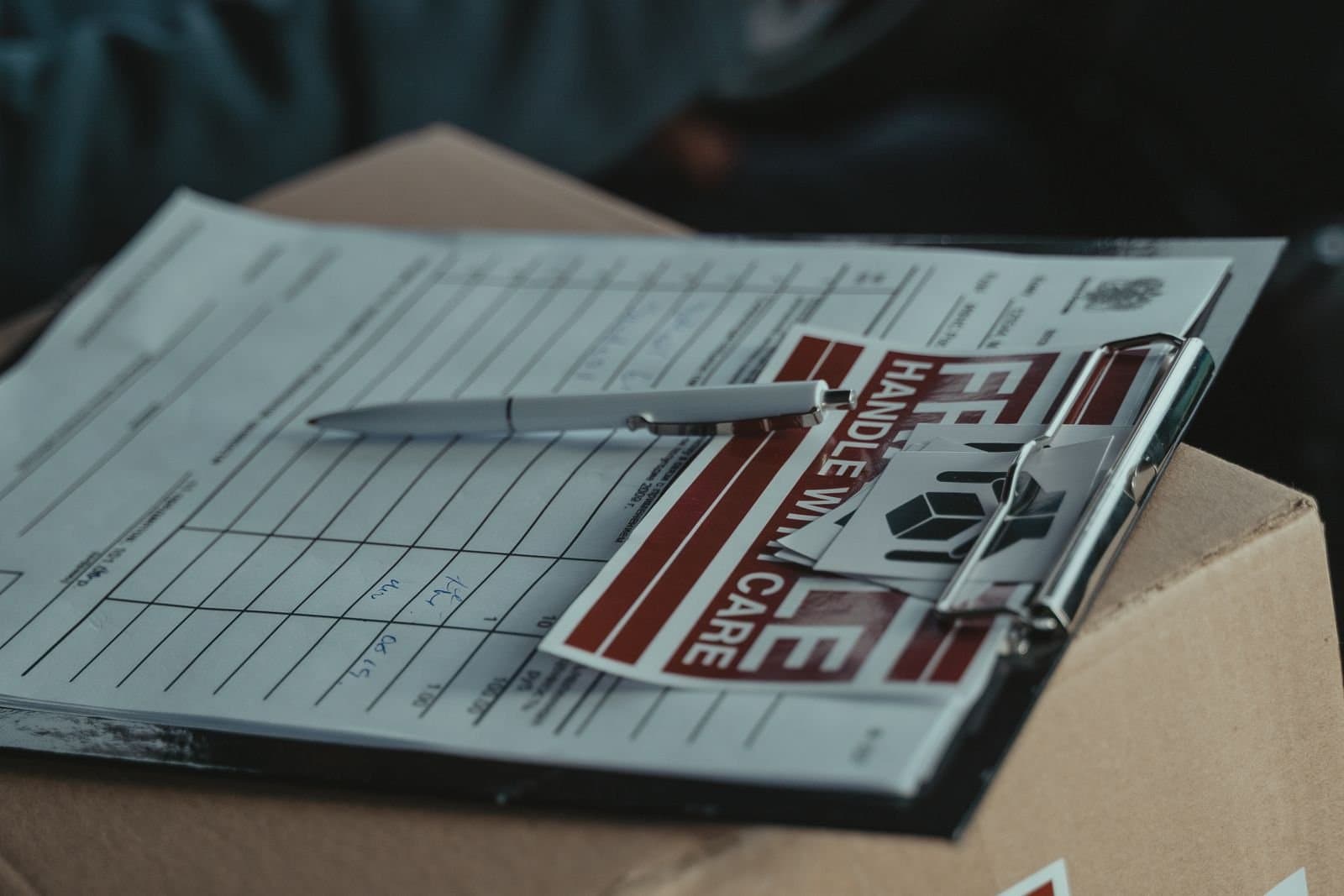
Documentation delays cause more problems at destination than quality issues do. An overview of the paperwork that commonly accompanies an agricultural commodity export.
Buyers new to importing agricultural commodities are often surprised by how much of the process is administrative. The product can be perfect and the vessel can arrive on time, but if the documentation is incomplete or inconsistent, the consignment sits at the destination port while costs accumulate.
A commercial invoice and packing list form the commercial core of the file. Between them they describe what was sold, to whom, at what price and on what delivery terms, and how the consignment is physically made up — number of packages, net and gross weights, and markings. These two documents need to agree with each other and with everything else in the file.
A certificate of origin states where the goods were produced. It matters for customs classification and, in many destination markets, for preferential duty treatment under trade agreements. The issuing authority and the exact form required vary by destination.
For plant products, a phytosanitary certificate issued by the competent national authority confirms that the consignment has been inspected and meets the plant-health requirements of the importing country. Where the importing country or the buyer requires it, a fumigation certificate records treatment against pests.
Quality and weight certificates, whether issued by a laboratory, an inspection company or a nominated third party, evidence that the consignment matches the agreed specification at the point of loading. Whether an independent inspection is required, and who appoints and pays for it, is a commercial decision agreed between buyer and seller.
The transport document — a bill of lading for sea freight — is the carrier's receipt for the goods and, depending on its form, may be the document against which the goods are released at destination. Errors here are among the most expensive to correct, so consignee and notify-party details should be confirmed carefully before issue.
Which documents apply to a particular shipment depends on the commodity, the destination market and the agreed Incoterms, and the exact set is confirmed at quotation and contracting stage. Buyers should also confirm their own import permit and registration requirements at destination early, as those often have the longest lead times.
If you are evaluating a first shipment from Tanzania and want to understand what the documentation file will look like for your market, get in touch and we will walk through it with you.