- Published
- Author
- IBS Agro Trading Limited
- Category
- Export Opportunities
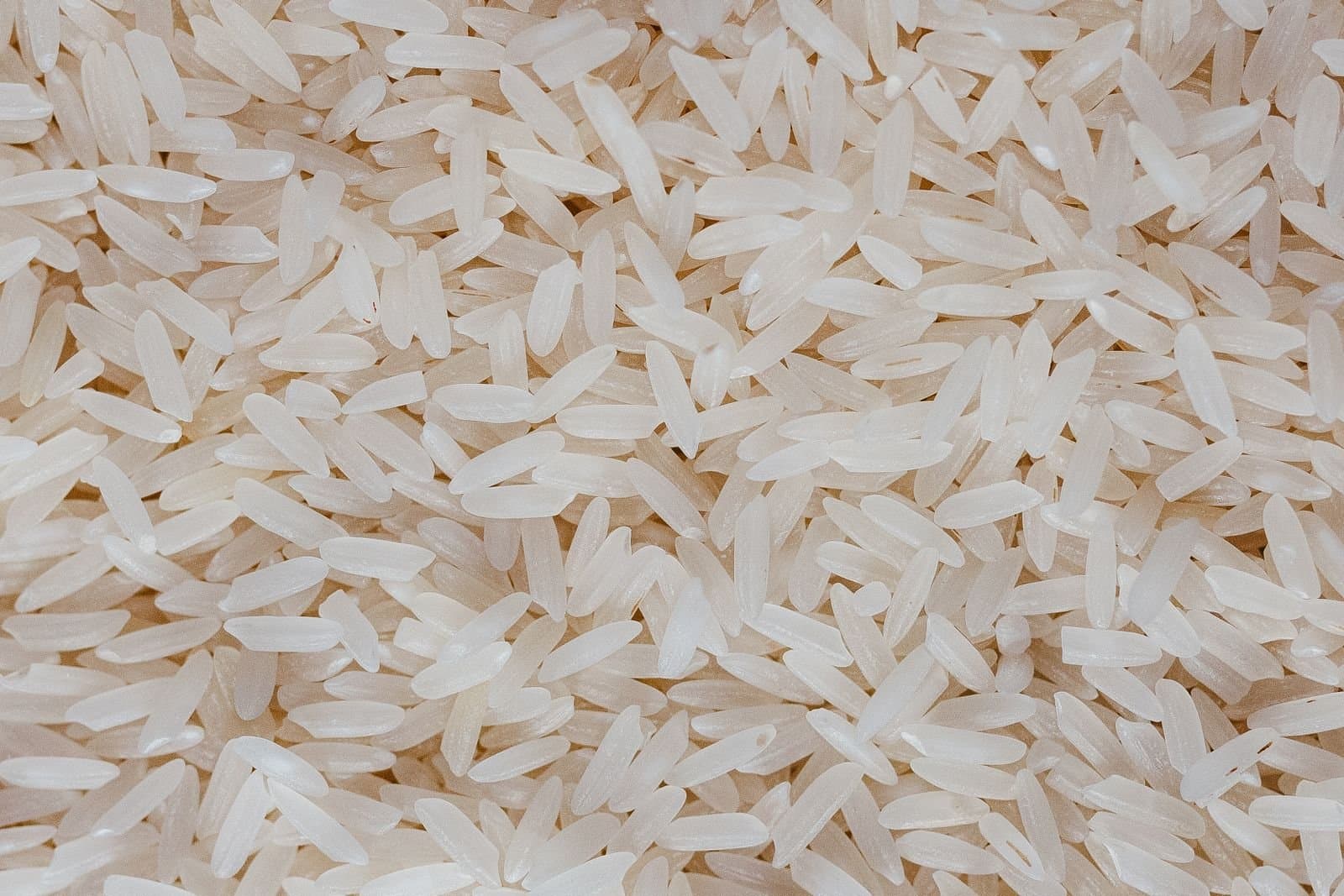
The four things a first-time importer settles before a price can be quoted: which milled grade, what the quality figures mean, how the rice is packed, and which Incoterm the order is bought on.
Rice is the line we are asked to quote more often than any other, and almost every first enquiry opens with the same question: what does it cost. It is the one question that cannot be answered until four others have been settled, because each of them moves the price. Those four are the milled grade, the quality parameters, the packing, and the Incoterm the order is bought on.
Grade comes first, and for milled white rice grade means the percentage of broken grains. We supply long-grain white rice at 5%, 10%, 15% and 25% broken. A retail packer selling a branded consumer pack usually wants the lowest broken percentage available; an institutional caterer or a processor buying for a blend often finds 25% perfectly fit for purpose and considerably cheaper. Aromatic, parboiled and brown rice are traded separately from standard long-grain because each has its own demand and its own price behaviour.
The quality parameters sit behind the grade. For rice these are moisture at 14% maximum, damaged and discoloured grains at 2% maximum, chalky grains at 3% maximum, paddy grains at no more than ten per kilogram, and destoning before packing. Those figures are indicative trade ranges for Tanzanian origin, not a guarantee attached to this article: the binding specification for any shipment is the one written into the sales contract, and it is confirmed by our quality and operations department before the contract is signed.
Packing is the decision buyers most often leave until last, and it is the one that most often delays a quotation. Rice moves in 25 kg and 50 kg woven polypropylene or laminated bags, in bulk bags for high-volume orders, and in 1, 2, 5 and 10 kg retail packs. Buyer-branded packaging is available against approved artwork and a minimum print run agreed per order. If the rice is going onto a shelf, the destination market's labelling rules — language, net weight, origin, batch and date marking, importer details — have to be settled before anything is printed.
On volume, the indicative minimum is one 20 ft container load, approximately 18 to 25 metric tonnes depending on how it is packed — retail packs in cartons fill the cube long before they reach the weight a bagged load would. Smaller in-country and trial volumes are considered, and a buyer planning repeat monthly shipments should say so at enquiry stage, because a standing requirement is planned differently from a single load.
The Incoterm decides who arranges and pays for carriage and insurance, and at what point the risk in the goods passes from us to you. We quote rice on EXW, FCA, FOB, CFR and CIF. A buyer with a freight forwarder already appointed in Tanzania will often prefer FOB; a buyer who wants one landed figure to compare against a domestic supplier usually asks for CFR or CIF to a named discharge port. Ask for the term you can actually compare, and tell us the discharge port so the quotation is built on the right route.
One last point on timing. The main rice harvest runs broadly from May to August, and availability of a given grade is at its widest shortly after it. That does not mean rice is unavailable outside those months — it means the crop position is checked against your grade and volume before any price is given, every time. Send us the grade, quantity, packing, destination and Incoterm you need, and our team will come back with what we can genuinely supply.
Where to go next
The pages below carry the specifications, packaging, shipping basis and destination detail behind this article. Send us your product, grade, quantity and destination and our team will confirm availability before quoting.