- Published
- Author
- IBS Agro Trading Limited
- Category
- Export Opportunities
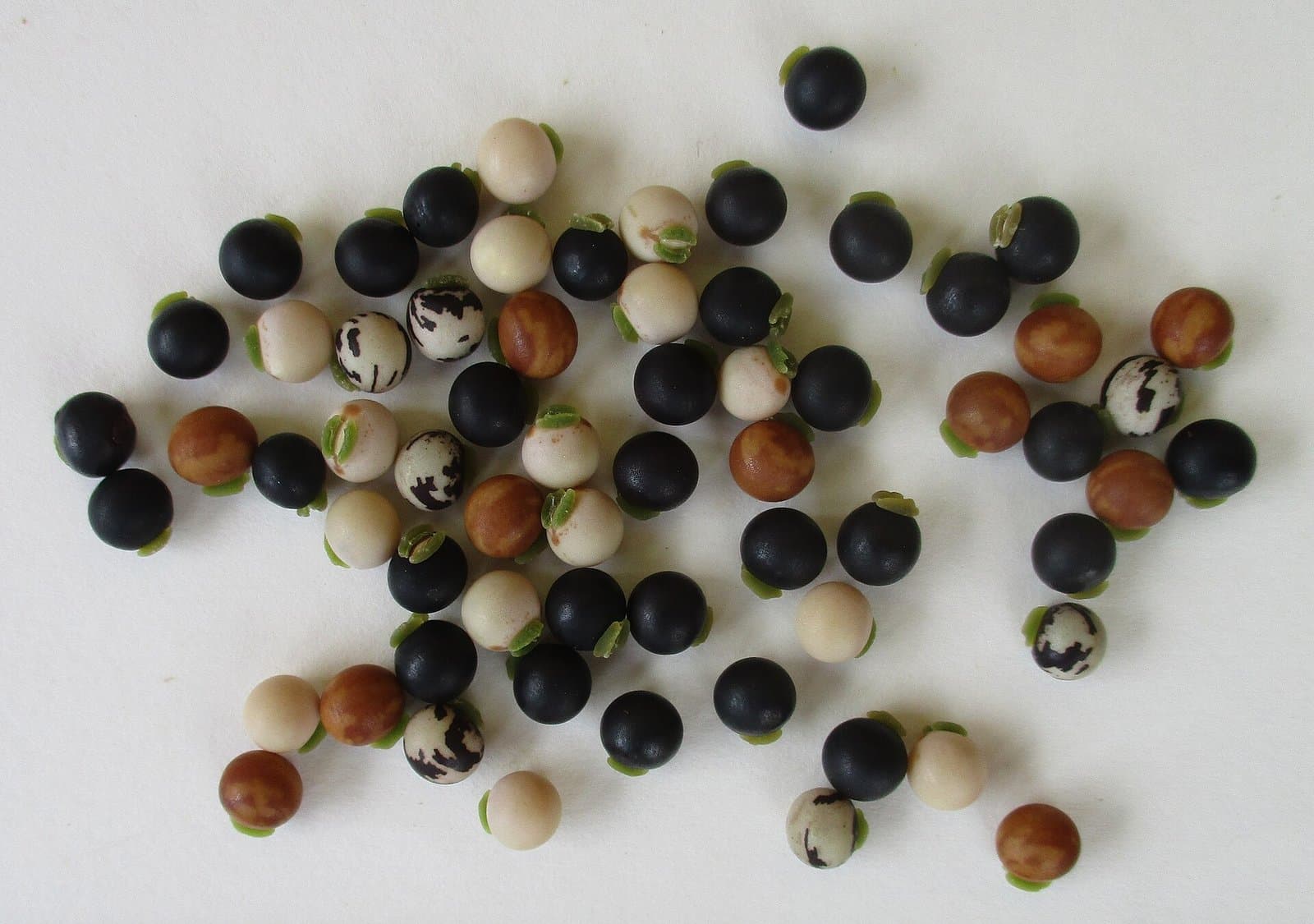
What a dal miller should put in the enquiry: crop year, colour, whole or split, the cleaning specification, and the discharge port the quotation is built to.
Pigeon peas are traded mainly to South Asian dal millers, and Indian buying is specification-led in a way that rewards a precise enquiry. A message asking for "pigeon peas, best price" and a message giving crop year, colour, whole or split, cleaning specification, quantity and discharge port will get very different replies — the second one gets a quotation, the first one gets a list of questions.
Start with the season. The Tanzanian pigeon pea harvest runs broadly from July to September, and the crop currently being aggregated is the 2025/26 crop. Crop year matters to a miller because it is what determines cooking behaviour and outturn, and it is also the field Indian import paperwork most often turns on. Tell us the crop year you need rather than assuming the current one is what will be shipped.
Then colour and form. We supply light-coloured and dark-coloured whole pigeon peas, and split pigeon peas where the processing is arranged in advance. Light and dark are bought by different mills for different reasons and they are not interchangeable in a contract, so name the one you want. Split is not something that can be added to an order at the last minute: it is a processing step that has to be scheduled before the lot is packed.
The cleaning specification is where most contract disputes are avoided or created. Our indicative trade ranges for whole pigeon peas are moisture at 12% maximum, purity at 98% minimum, foreign matter at 1% maximum, broken and split seeds at 2% maximum, insect-damaged seeds at 2% maximum and discoloured seeds at 3% maximum. Consignments are fumigated before dispatch and are free of weevilled and infested grain at the time of loading. Every one of those figures is indicative until it is written into the contract, which is the only version that binds either side.
On shipping, pulses to India are normally bought in full container loads. The indicative minimum is one 20 ft container, approximately 18 to 25 metric tonnes depending on the packing, in 25 kg or 50 kg woven polypropylene bags, in bulk bags, or loose in the container where your specification allows it. Consignments move by sea from the Port of Dar es Salaam, and we are most often asked to quote CIF to a named discharge port — Nhava Sheva, Mundra, Chennai, Tuticorin or Kolkata. Name the port, because the freight leg is the part of a CIF price that changes most between them.
Documentation for a pulse consignment normally includes the commercial invoice and packing list, a certificate of origin, a phytosanitary certificate issued by the competent national authority, and a fumigation certificate where the importing country or the buyer requires one. Indian import policy for pulses can change inside the life of a quotation, so confirm your own import permit and registration position at your end early — those usually have the longest lead times, and they are the buyer's responsibility, not the supplier's.
Send us the crop year, the colour, whole or split, the cleaning specification you work to, the quantity and the discharge port. We check what our sourcing network can aggregate against that before a price is given, which is why a specific enquiry comes back faster than a general one.
Where to go next
The pages below carry the specifications, packaging, shipping basis and destination detail behind this article. Send us your product, grade, quantity and destination and our team will confirm availability before quoting.